

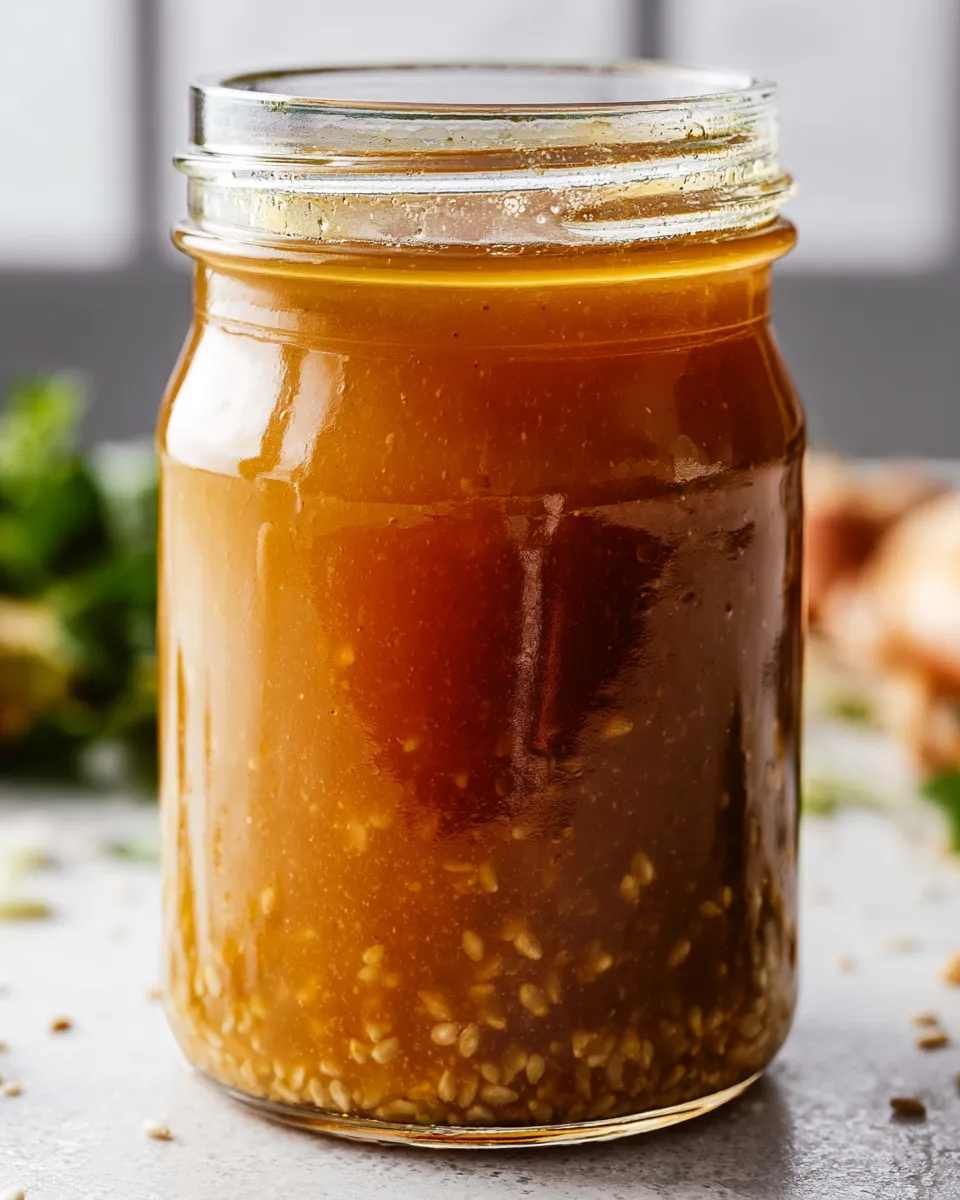
Making your own Asian salad dressing takes about five minutes and tastes noticeably better than anything from a bottle. The balance of soy, sesame, rice vinegar, and a touch of sweetness is hard to get exactly right with a store-bought version – it is either too salty, too sharp, or missing that nutty depth. This recipe gets the ratio right and keeps well in the fridge for over a week.
This is an easy Asian dressing that works well beyond just salads. Use it as a marinade for chicken or tofu, drizzle it over cold noodles, or toss it with shredded cabbage for a quick slaw. The ginger and garlic are subtle enough that it does not overpower lighter ingredients, but present enough that every bite has character.
Ingredients for This Asian Salad Dressing
Each ingredient here plays a specific role in building a balanced dressing. The soy sauce brings salt and umami, the rice vinegar adds brightness, the sesame oil carries the nutty aroma, and the honey rounds off the sharpness. Use toasted sesame oil, not the light or untoasted kind – the difference in flavor is significant.
-
3 tablespoons neutral oil (canola, avocado, or light olive oil)
1 tablespoon toasted sesame oil
3 tablespoons rice vinegar (seasoned or unseasoned)
2 tablespoons low-sodium soy sauce
1 tablespoon honey (or maple syrup for vegan)
1 clove garlic, finely grated or minced
1 teaspoon fresh ginger, grated on a microplane
1/2 teaspoon Dijon mustard (helps emulsify the dressing)
1 tablespoon fresh lime juice
1/4 teaspoon red pepper flakes (optional, for heat)
1 teaspoon toasted sesame seeds, for finishing
How to Make Asian Salad Dressing
There is no cooking involved here. Everything goes into a jar or a bowl, and you either shake or whisk it together. The only thing that matters is dissolving the honey completely so the dressing does not have a sticky undissolved sweetener sitting at the bottom.
-
Add the soy sauce and honey to a jar or small bowl first. Whisk or stir together until the honey is fully dissolved into the soy sauce – this is easier to do before adding the oil.
Add the rice vinegar, lime juice, Dijon mustard, grated garlic, grated ginger, and red pepper flakes if using. Stir to combine.
Pour in the neutral oil and sesame oil. If using a jar with a lid, seal it and shake vigorously for about 20 seconds until the dressing looks uniform and slightly emulsified. If using a bowl, whisk for about 30 seconds.
Taste and adjust. More vinegar if you want it sharper, more honey if you want it sweeter, more soy sauce if it needs more salt. Getting this right for your own palate makes a big difference.
Stir in the sesame seeds just before using or add them directly to the salad for more texture.
Let the dressing sit for at least 5 minutes at room temperature before serving so the ginger and garlic have time to infuse the liquid.
The Dijon mustard is easy to overlook but it genuinely helps hold the emulsion together – without it, the oil and vinegar separate almost immediately and you end up shaking the jar before every single pour.
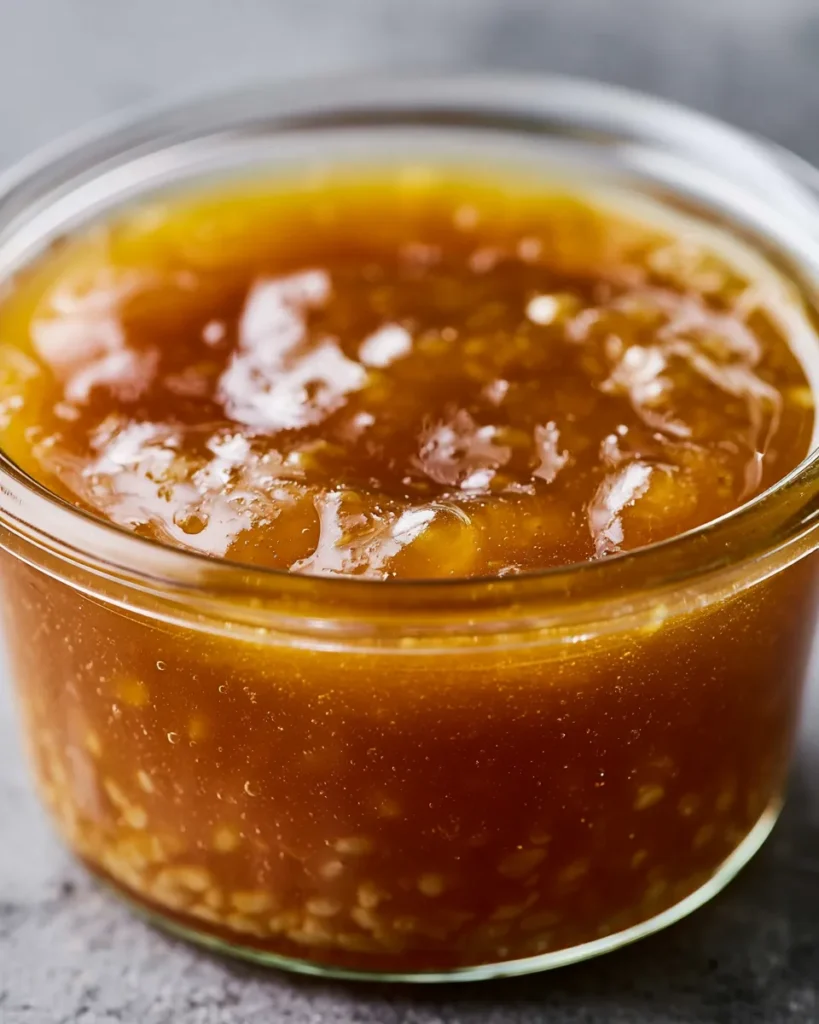
Tips for Getting the Balance Right
The ratio of acid to oil here is intentionally leaner than a Western vinaigrette. A typical French dressing runs at one part acid to three parts oil – this Asian vinaigrette dressing sits closer to one-to-one, which makes it brighter and lighter on leafy greens without weighing them down. If you find it too sharp, add a little more neutral oil rather than reducing the vinegar.
Fresh ginger and garlic give you more flavor than their dried counterparts, but they also shorten the fridge life of the dressing. If you plan to keep this healthy Asian dressing for more than a week, use ground ginger and garlic powder instead – half a teaspoon of each works well and the shelf life extends to three weeks.
Substitutions That Work
No rice vinegar? White wine vinegar or apple cider vinegar both work, though the flavor is a little sharper and less mild. If you go this route, reduce the amount slightly and taste as you go. For a simple Japanese salad dressing profile, replace the lime juice with a small splash of mirin for a softer, slightly sweet acidity.
Tamari is the best gluten-free swap for soy sauce – it has nearly the same flavor and the same saltiness. Coconut aminos work too and are slightly sweeter, so reduce the honey by half a teaspoon if you use them. No sesame oil at all? Add a tablespoon of tahini to the base instead – it gives a similar nutty note and also thickens the dressing slightly into a creamier sweet Asian dressing style.
Variations Worth Making
The base recipe is a clean, classic Asian dressing recipe easy enough to adjust in several directions:
-
Peanut version: whisk in 2 tablespoons of natural peanut butter for a thicker, creamy dressing that works well on noodle salads and shredded cabbage.
Spicy ginger: add a teaspoon of sriracha or a half teaspoon of chili garlic paste for a version with real heat.
Miso dressing: stir in a teaspoon of white miso paste for deeper umami without adding more sodium from extra soy sauce.
Citrus forward: replace the lime juice with fresh orange juice and increase to 2 tablespoons – the sweetness pairs well with spinach and mandarin orange segments in the salad.
Storage and How to Use It
Store in a sealed glass jar or airtight container in the refrigerator. With fresh garlic and ginger, it keeps for 5 to 6 days. Made with ground spices instead, it keeps for up to 3 weeks. The sesame oil may solidify slightly in the fridge – just let the jar sit at room temperature for a few minutes before shaking and using.
Always shake or whisk before serving since the oil and vinegar will separate over time. Beyond salads, this dressing for Asian salad works as a quick marinade for chicken, salmon, or tofu – at least 30 minutes of marinating time gives the best flavor penetration.
FAQ
Why does my Asian Salad Dressing separate so quickly?
Oil and water-based liquids like vinegar and soy sauce do not naturally stay mixed. Including Dijon mustard in the recipe helps slow the separation because it acts as an emulsifier, binding the two together. Even with mustard, some separation is normal over time – just shake the jar before each use. A blender or immersion blender creates a more stable emulsion if you want it to stay combined longer.