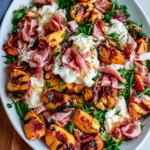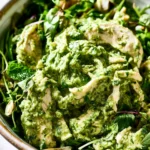

Lettuce is optional. That sounds obvious once you think about it, but a lot of people reach for it out of habit when there are plenty of salads without lettuce that are more textured, more filling, and honestly more interesting. This article focuses on one easy, reliable base recipe and explains how to build from it with the ingredients you actually have. Think roasted vegetables, chickpeas, grains, and fresh herbs, all dressed simply and built to hold up in the fridge without going limp.
The main recipe here is a roasted vegetable and chickpea salad with a lemon olive oil dressing. It is one of those lettuce salad recipe ideas that flips the usual approach. The vegetables are the body of the dish, the chickpeas add protein, and the dressing ties everything together. No greens required. It works warm, at room temperature, or cold from the fridge, which makes it a practical lettuce salad ideas for lunch option across several days.
Ingredients for the Base Salads Without Lettuce Recipe
The vegetables listed here are a starting point. Use what you have or what is in season. Zucchini, bell peppers, red onion, and cherry tomatoes all roast well. Chickpeas add a filling, slightly crispy element when roasted alongside the vegetables. The dressing is a simple lemon and olive oil mix with garlic and cumin for a warm, slightly smoky note that works with almost anything.
- 1 can chickpeas, 15 ounces, drained and rinsed
- 1 medium zucchini, diced into 1/2 inch pieces
- 1 red bell pepper, diced
- 1 cup cherry tomatoes, halved
- 1/2 medium red onion, sliced into thin wedges
- 3 tablespoons olive oil, divided
- 1/2 teaspoon salt
- 1/2 teaspoon black pepper
- 1/2 teaspoon cumin
- 1/2 teaspoon smoked paprika
- 2 tablespoons fresh lemon juice
- 1 teaspoon lemon zest
- 1/2 teaspoon garlic powder
- 1/4 cup fresh parsley or cilantro, chopped
- Optional: 1/4 cup crumbled feta or shaved Parmesan
- Optional: 2 tablespoons toasted pine nuts or pumpkin seeds
How to Make Salads Without Lettuce Step by Step
Roasting the vegetables and chickpeas first is the step that sets this apart from a raw chopped salad. The heat concentrates the flavors, edges caramelize, and the chickpeas get slightly crisp on the outside while staying tender inside. Use a hot oven and do not crowd the pan. Spread everything in a single layer so it roasts instead of steams, which is the most common problem with oven vegetables.
- Preheat the oven to 425 degrees F. Line a large baking sheet with parchment paper.
- Pat the chickpeas very dry with paper towels. Any moisture on them prevents crisping. Spread them on one side of the baking sheet.
- Add the diced zucchini, bell pepper, red onion, and cherry tomatoes to the other side of the baking sheet.
- Drizzle 2 tablespoons of olive oil over everything. Sprinkle with salt, black pepper, cumin, and smoked paprika. Toss the vegetables and chickpeas separately on their sides of the pan so they are evenly coated.
- Roast for 25 to 30 minutes, flipping once halfway through, until the vegetables are tender with golden edges and the chickpeas are crisp and slightly browned.
- While the vegetables roast, whisk together the remaining 1 tablespoon olive oil, lemon juice, lemon zest, and garlic powder in a small bowl. Taste and adjust salt and acidity.
- Let the roasted vegetables and chickpeas cool for 5 minutes after removing from the oven. Transfer to a large bowl.
- Pour the dressing over the warm salad and toss gently. Add the chopped parsley or cilantro and toss again.
- Top with crumbled feta or shaved Parmesan if using, and scatter the toasted seeds or nuts. Serve warm, at room temperature, or chilled.
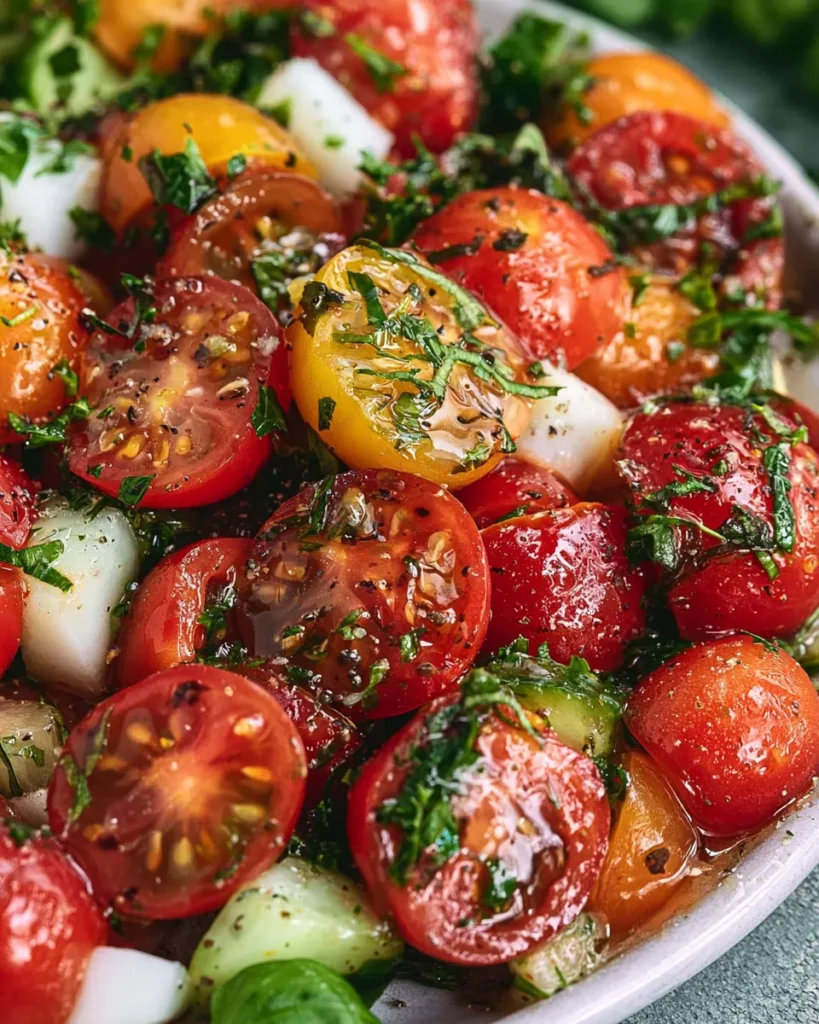
Tips for Better Texture and Flavor
The chickpeas must be completely dry before they go into the oven. Even a little surface moisture turns them soft and chewy instead of crisp. After draining and rinsing, spread them on a towel and press gently to remove water, then let them air dry for 5 minutes before roasting. This single step makes a bigger difference than anything else in the recipe.
Do not dress the salad while the vegetables are still piping hot. Give them 5 minutes to cool so the dressing does not break or absorb too quickly into the vegetables. A slightly cooled vegetable holds onto the dressing instead of absorbing all of it, which means each bite is properly dressed rather than dry. This applies to most good lettuce salad recipes and grain-based salad ideas equally.
Substitutions That Keep It Flexible
Swap chickpeas for white beans, black beans, or lentils. The texture changes slightly, but the protein element stays intact. For a grain-based version, add cooked farro, quinoa, or couscous to the roasted vegetables instead of the chickpeas. This turns it into a more filling easy lettuce salad recipe style dish that works well for meal prep across a few days.
The lemon dressing can be replaced with a simple red wine vinegar and olive oil mix, or a tahini dressing if you want something creamier. Tahini mixed with lemon juice, garlic, and water gives a nutty richness that works especially well with roasted cauliflower or beets. For a dairy-free version, skip the feta and add avocado in chunks, which gives creaminess without cheese.
Easy Variations to Build On
The base formula of roasted vegetables, a protein element, and a simple dressing works in many directions:
- Mediterranean version: use roasted eggplant, cherry tomatoes, and red onion with chickpeas. Add kalamata olives, crumbled feta, and a red wine vinaigrette. This is one of the easy lettuce salads that works as a full lunch or a side for grilled fish or chicken.
- Corn and black bean salad: skip the roasting and combine canned corn, black beans, diced red pepper, red onion, cilantro, lime juice, and olive oil. This raw version comes together in 10 minutes and holds up well in the fridge for days.
- Roasted beet and goat cheese: roast diced beets with olive oil and salt until tender. Toss with arugula-free dressing, crumbled goat cheese, and toasted walnuts. This is a reliable lettuce salad recipes healthy direction that uses sweeter root vegetables as the base.
- Grain bowl style: serve the roasted vegetable mix over cooked quinoa or farro, then drizzle with tahini dressing and top with a soft-boiled egg. This turns it from a side salad into a full meal.
Storage and Serving
The roasted vegetable and chickpea salad keeps in an airtight container in the fridge for up to 4 days, making it a strong lettuce salad ideas for lunch option across the week. The chickpeas will soften slightly after the first day, but the flavors deepen and the dressing absorbs nicely. If you want crispy chickpeas throughout the week, store them separately and add them to each portion when serving.
Serve at room temperature for the fullest flavor. Cold olive oil can taste flat and slightly waxy, so let the salad sit out for 10 minutes before eating if it comes straight from the fridge. These salads without lettuce work as a side dish alongside grilled proteins, as a standalone lunch, or packed into containers for easy weekday meals.
FAQ
What are good bases for salads without lettuce?
Roasted vegetables, cooked grains like quinoa or farro, beans and legumes, raw chopped vegetables like cucumber and tomato, and even shredded cabbage or kale all work well. The key is choosing ingredients with enough texture and flavor to stand on their own without needing a leafy green to carry the dish. Most easy lettuce salad recipes can be reworked using any of these bases.
How do I keep salads without lettuce from getting soggy?
For roasted vegetable salads, let the vegetables cool before dressing them. For raw chopped salads, salt the watery vegetables like cucumber and tomato separately, let them drain for 10 minutes, then pat dry before adding them to the bowl. Store the dressing separately if prepping ahead, and toss just before serving for the best texture.
Can these salads work as a full meal?
Yes, by adding a protein source like chickpeas, beans, grilled chicken, tuna, or a soft-boiled egg. A grain base of quinoa or farro also adds enough substance to make the salad a complete meal. The base recipe here with chickpeas and roasted vegetables is already filling enough for a lunch on its own.
How long do these salads keep in the fridge?
Roasted vegetable and grain-based salads keep well for 3 to 4 days in an airtight container. Raw vegetable salads with tomato and cucumber are best within 2 days since those vegetables release water over time. Store the dressing separately when possible to extend freshness, and add fresh herbs when serving so they do not wilt.
What dressings work best for salads without lettuce?
Lemon and olive oil, red wine vinaigrette, tahini with lemon and garlic, and balsamic glaze all work well. Heavier dressings like tahini pair better with roasted or grain-based salads, while lighter vinaigrettes work well with raw vegetable salads. Avoid very creamy dressings on raw salads if you plan to store them, since they can make the texture soft and heavy after a day in the fridge.
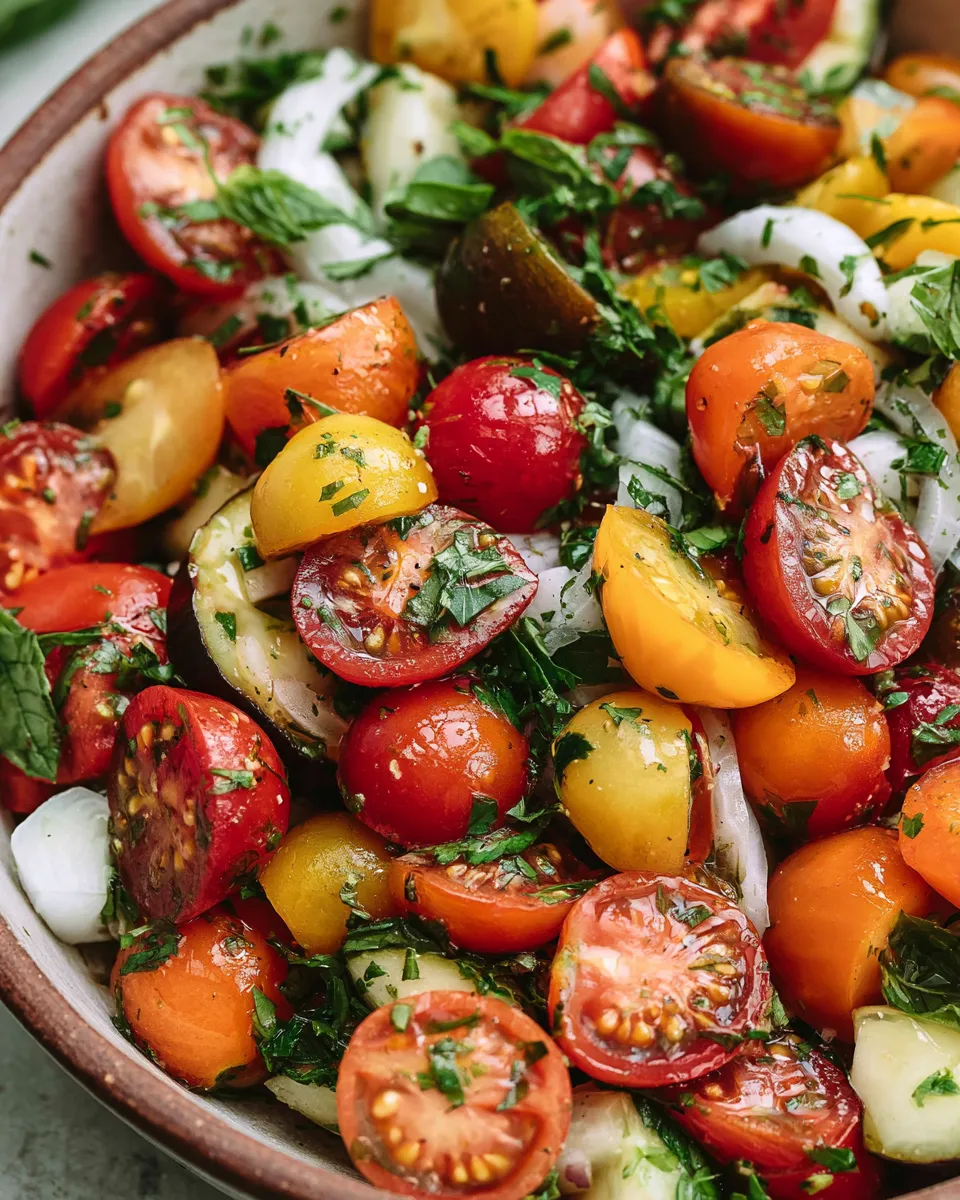
Salads Without Lettuce
Ingredients
Equipment
Method
- Preheat oven to 425 degrees F. Line a large baking sheet with parchment.
- Dry chickpeas: pat very dry with paper towels. Spread on one side of the baking sheet.
- Add vegetables: spread zucchini, bell pepper, red onion, and tomatoes on the other side of the pan.
- Season: drizzle 2 tbsp olive oil over everything. Sprinkle with salt, pepper, cumin, and paprika. Toss each side separately.
- Roast: roast 25 to 30 minutes, flipping halfway, until vegetables are golden and chickpeas are crisp.
- Make dressing: whisk remaining 1 tbsp olive oil, lemon juice, lemon zest, and garlic powder. Adjust salt.
- Combine: cool vegetables 5 minutes. Transfer to a bowl, pour dressing over, toss. Add herbs, cheese, and nuts. Serve warm or at room temperature.
Notes
- Pat chickpeas completely dry before roasting for best crunch.
- Do not crowd the pan or vegetables will steam instead of roast.
- Cool vegetables 5 minutes before adding dressing.
- Store chickpeas separately to keep them crisp in leftovers.
- Keeps 4 days in an airtight container.