
Double Crunch Orange Chicken takes the concept of crispy fried chicken and pushes it a step further with a double coat, and then finishes the whole thing in a bright, sticky orange glaze that clings to every piece. The outside stays genuinely crunchy even after the sauce goes on, which is the part most recipes struggle with. If you have made crispy orange garlic chicken before and been frustrated by soggy results, the double coating is the fix you were looking for.
The glaze is built from fresh orange juice and a few pantry staples. It reduces quickly and coats well without getting too sweet or too sharp. Paired with that extra-thick crust, this feels like a proper double crunch chicken dinner rather than a sauced-over compromise.
Why the Double Coat Makes Such a Difference
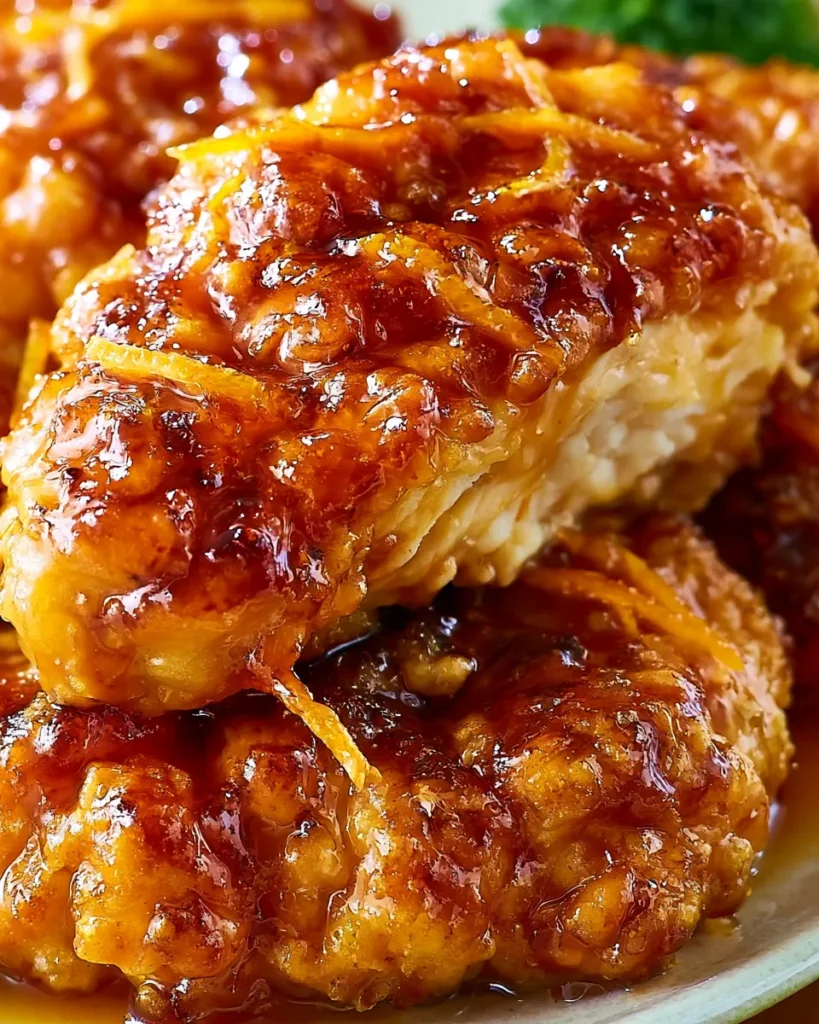
A single flour dredge gives you a thin, fragile crust that softens under any moisture. The double coating method, dipping the chicken twice through egg and seasoned flour, builds a thicker, more textured shell. That added mass holds up much better once the orange glaze hits, which is the whole point of this double coated chicken recipe.
The coating also creates more surface area for the glaze to grab onto. Instead of pooling at the bottom of the plate, the sauce sticks to the ridges and crevices of the crust, which means every piece gets coated evenly.
Ingredients for Double Crunch Orange Chicken
- 700 g boneless, skinless chicken breasts or thighs, cut into bite-sized pieces
- 1 cup all-purpose flour
- 1/4 cup cornstarch
- 1 tsp garlic powder
- 1 tsp onion powder
- 1 tsp smoked paprika
- 1/2 tsp salt
- 1/4 tsp white pepper
- 2 large eggs
- 2 tbsp water
- Vegetable oil, for frying
- 1 cup fresh orange juice, about 3 to 4 oranges
- 1 tbsp orange zest
- 3 tbsp soy sauce
- 2 tbsp rice vinegar
- 3 tbsp sugar
- 1 tsp fresh grated ginger
- 2 garlic cloves, minced
- 1 tbsp cornstarch mixed with 2 tbsp cold water, for the sauce
- 1/2 tsp red pepper flakes, optional
- Sesame seeds and sliced scallions, for serving
Adding cornstarch to the flour coating is what separates a good crispy mandarin chicken crust from a plain floury one. The starch creates a lighter, crisper shell and helps the coating stay separate from the meat rather than glueing together when hot.
How to Double Coat and Fry the Chicken
The sequence matters for getting the coating to stick properly. Wet then dry, then wet again, then dry again. Pressing the flour into the chicken firmly during each pass helps it adhere and prevents patches from peeling off in the oil.
- Combine flour, cornstarch, garlic powder, onion powder, paprika, salt, and white pepper in a shallow bowl.
- Whisk eggs and water in a separate bowl.
- Dredge each piece of chicken in flour, shake off the excess, dip in egg, then press back into the flour a second time.
- Set coated pieces on a wire rack and let them rest for 5 minutes before frying.
- Heat about 4 cm of vegetable oil in a heavy pan to 175°C (350°F).
- Fry in batches, about 4 to 5 minutes per batch, turning once, until deep golden and cooked through.
- Transfer to a wire rack to drain, not paper towels, which trap steam and soften the crust.
Keeping the oil temperature consistent between batches is important. If the oil drops too low, the coating absorbs more oil and comes out greasy rather than crisp. Let the oil return to temperature before each new batch goes in.
Building the Orange Glaze
Fresh juice makes a real difference in this sauce. Bottled orange juice tends to taste flat once reduced, while fresh juice stays bright and slightly floral. If you are going for a tangerine crispy chicken style flavor, use tangerine juice in place of regular orange for a sweeter, more aromatic glaze.
- Combine orange juice, orange zest, soy sauce, rice vinegar, sugar, ginger, garlic, and red pepper flakes in a saucepan over medium heat.
- Bring to a light simmer and cook for 3 to 4 minutes until slightly reduced.
- Stir in the cornstarch slurry and cook another 1 to 2 minutes, stirring constantly, until the sauce thickens and turns glossy.
- Remove from heat and toss the fried chicken in the sauce right before serving.
Toss and serve quickly. The longer the chicken sits in the sauce, the softer the crust becomes. For a glazed boneless fried chicken presentation, toss right before plating rather than letting the pieces soak.
Pro Tips, Substitutions, and Variations
Resting the coated chicken on a rack before frying lets the coating dry slightly, which means it sets faster in the oil and holds more firmly. Skipping this step often results in coating that falls off in uneven patches.
For a lighter version, this double coated chicken recipe also works in an air fryer. Spray each piece with oil, cook at 200°C for 14 to 16 minutes flipping halfway through. The crust is slightly less dramatic than deep-fried, but still satisfyingly crunchy.
- Swap orange for mandarin or clementine juice for a sweeter, less acidic glaze.
- Use chicken tenders instead of cut breast pieces for quicker cooking.
- Add a spoonful of hoisin to the glaze for a deeper, more savory finish.
- For a spicier version, double the red pepper flakes or add a small spoonful of chili garlic paste.
Troubleshooting, Storage, and Serving
If the coating falls off during frying, the oil was either too cool or the chicken had too much moisture on the surface before coating. Pat the chicken very dry before starting the dredge, and make sure the oil is at the right temperature before each batch goes in.
Store leftover double crunch orange chicken in an airtight container in the fridge for up to 3 days. To reheat, use an oven or air fryer at 190°C for 8 to 10 minutes rather than a microwave. The crust recovers well with dry heat but stays soft if steamed.
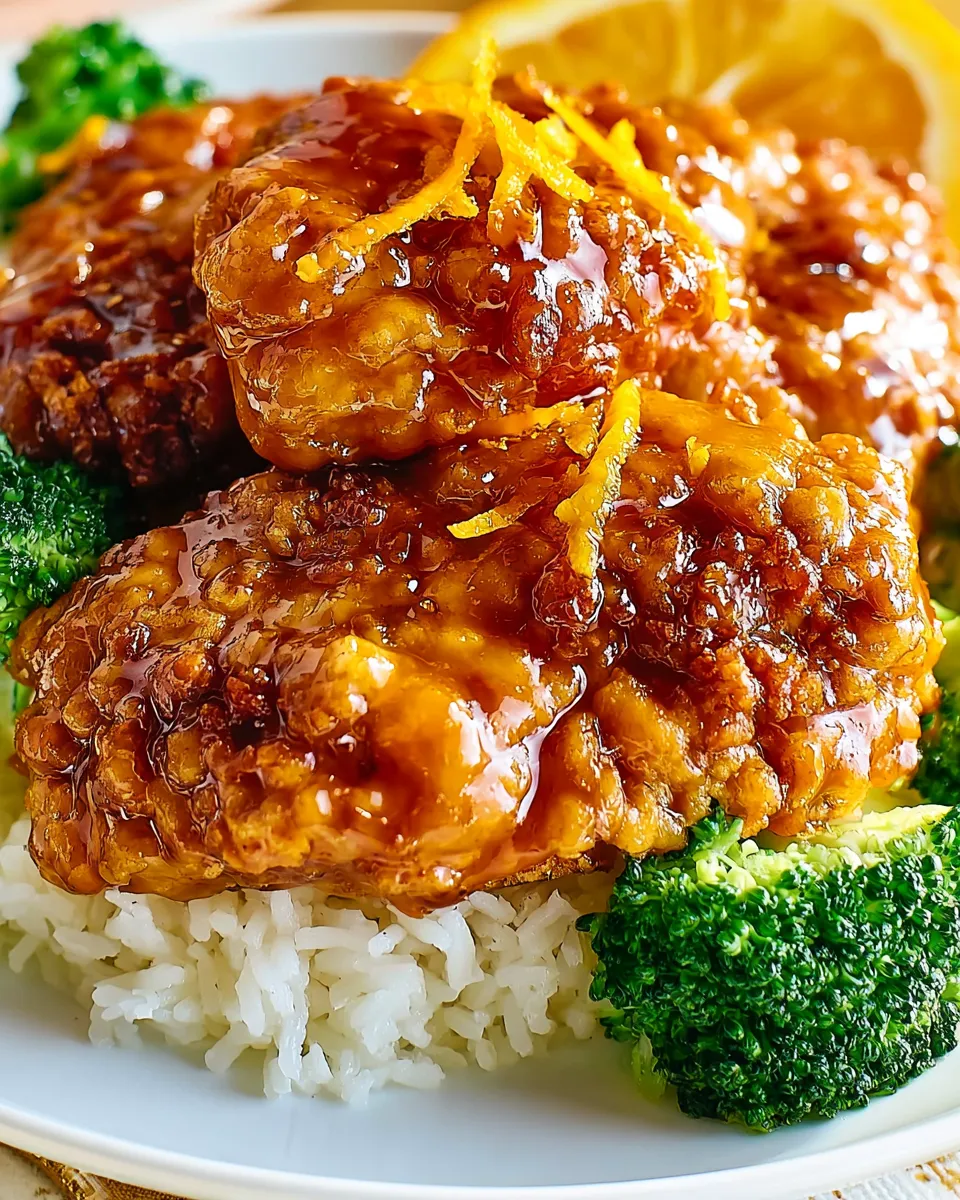
Serve over steamed jasmine rice, fried rice, or noodles. Sliced scallions and sesame seeds on top finish the plate well, and a few orange wedges on the side give the dish a clean, restaurant-style look with almost no extra effort.
FAQ
Can I make Double Crunch Orange Chicken with bone-in chicken? Yes, but the fry time increases significantly, usually 10 to 14 minutes per batch. A thermometer is more useful than timing alone with bone-in pieces.
How do I keep the crust from going soggy? Toss in sauce right before serving, rest on a rack not a plate after frying, and do not cover the chicken while it is still hot. Trapped steam is what softens the crust.
Can I prepare the coating ahead of time? Yes. Mix the dry coating and store it in a sealed container for up to a week. Keep the egg wash separate and mix it fresh when ready to cook.
Is this the same as takeout orange chicken? Similar in flavor but different in texture. The double coat makes this crunchier and sturdier than most takeout versions, which tend to have a thinner batter.
What oil is best for frying? Any neutral oil with a high smoke point works well. Vegetable, canola, or peanut oil are all good choices. Avoid olive oil, which has a lower smoke point and adds an unwanted flavor.
Can I freeze these after frying? Yes. Freeze the fried pieces before saucing on a tray, then transfer to a bag once solid. Reheat from frozen in an oven or air fryer and toss in fresh sauce before serving.
Double Crunch Orange Chicken
Ingredients
Equipment
Method
- Mix flour, cornstarch, and spices in a shallow bowl. Whisk eggs and water in another.
- Double coat each piece of chicken, dredging in flour, then egg, then flour again. Rest on a wire rack for 5 minutes.
- Fry in batches in oil heated to 175°C for 4 to 5 minutes until golden. Drain on a wire rack.
- Combine orange juice, zest, soy sauce, vinegar, sugar, ginger, and garlic in a saucepan and simmer for 3 to 4 minutes.
- Stir in cornstarch slurry and cook until thickened and glossy.
- Toss fried chicken in the sauce immediately before serving, garnish with sesame seeds and scallions.
Notes
- Pat chicken dry before coating for better adhesion.
- Rest coated chicken on a rack before frying to help the crust set.
- Toss in sauce right before serving to keep the crust crispy.